
Free study
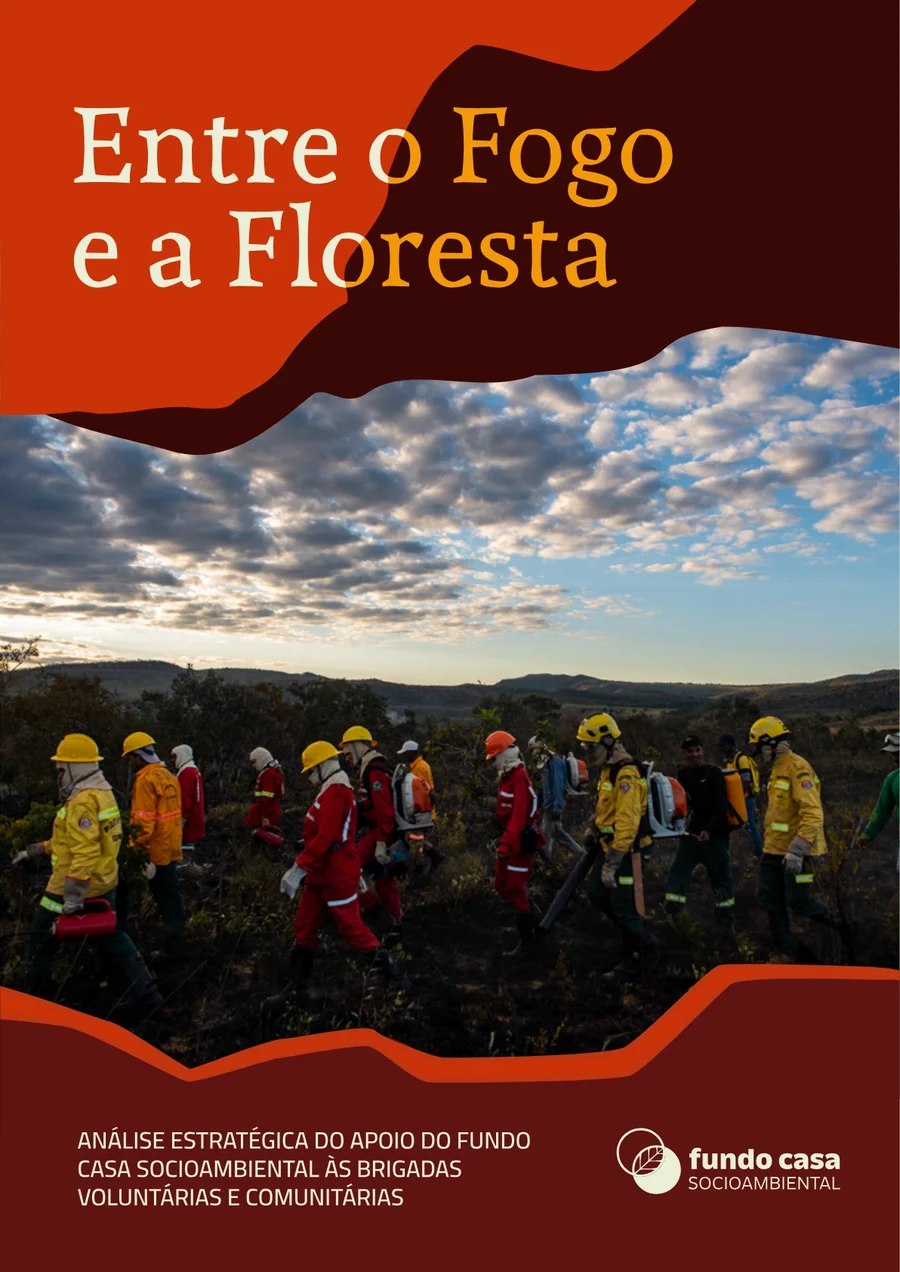
Between Fire and the Forest
The answer to wildfires already exists in the territories.
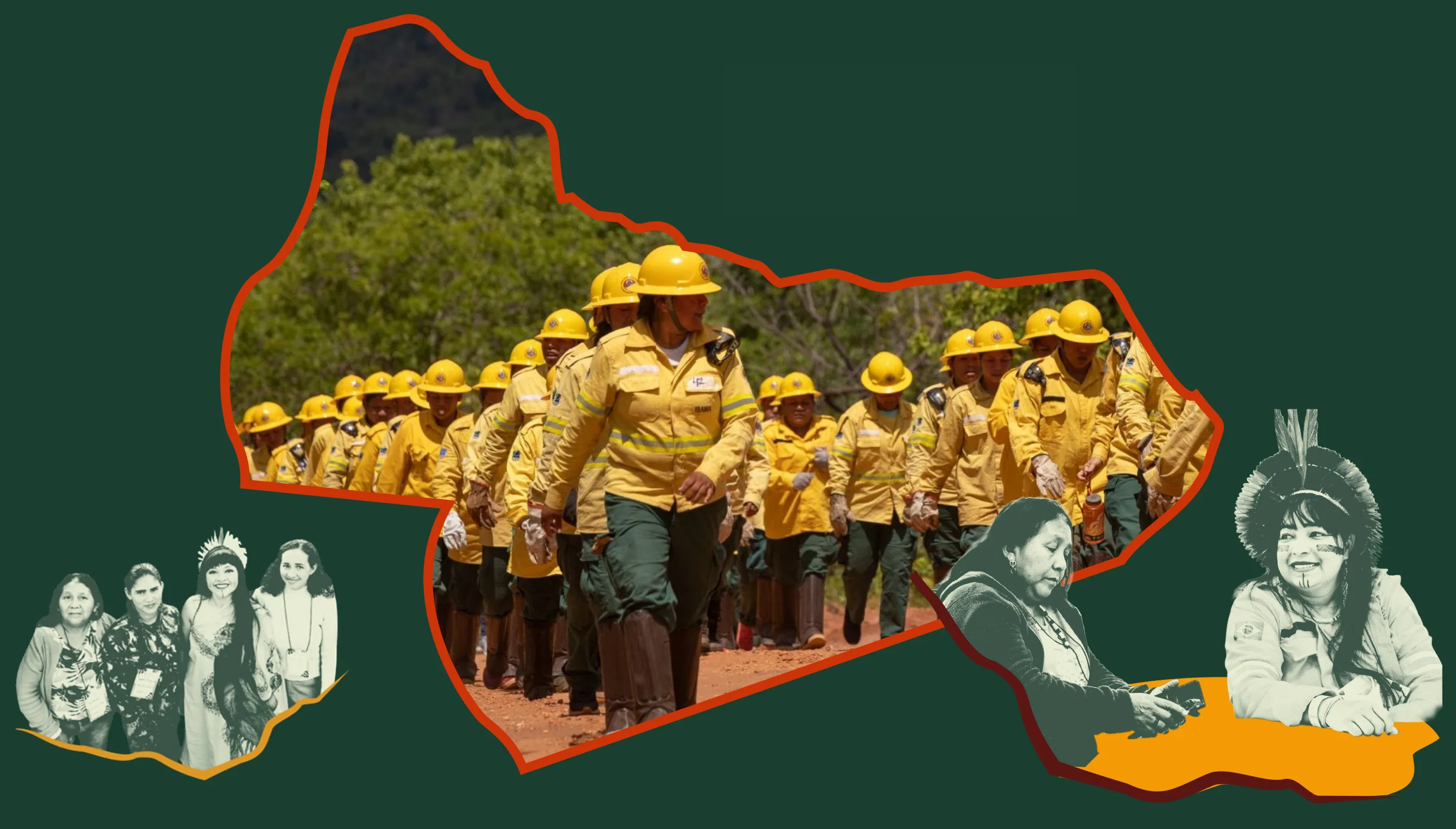
Using data, this free publication shows how organized communities prevent, monitor, manage, and combat fire across five of Brazil’s biomes.
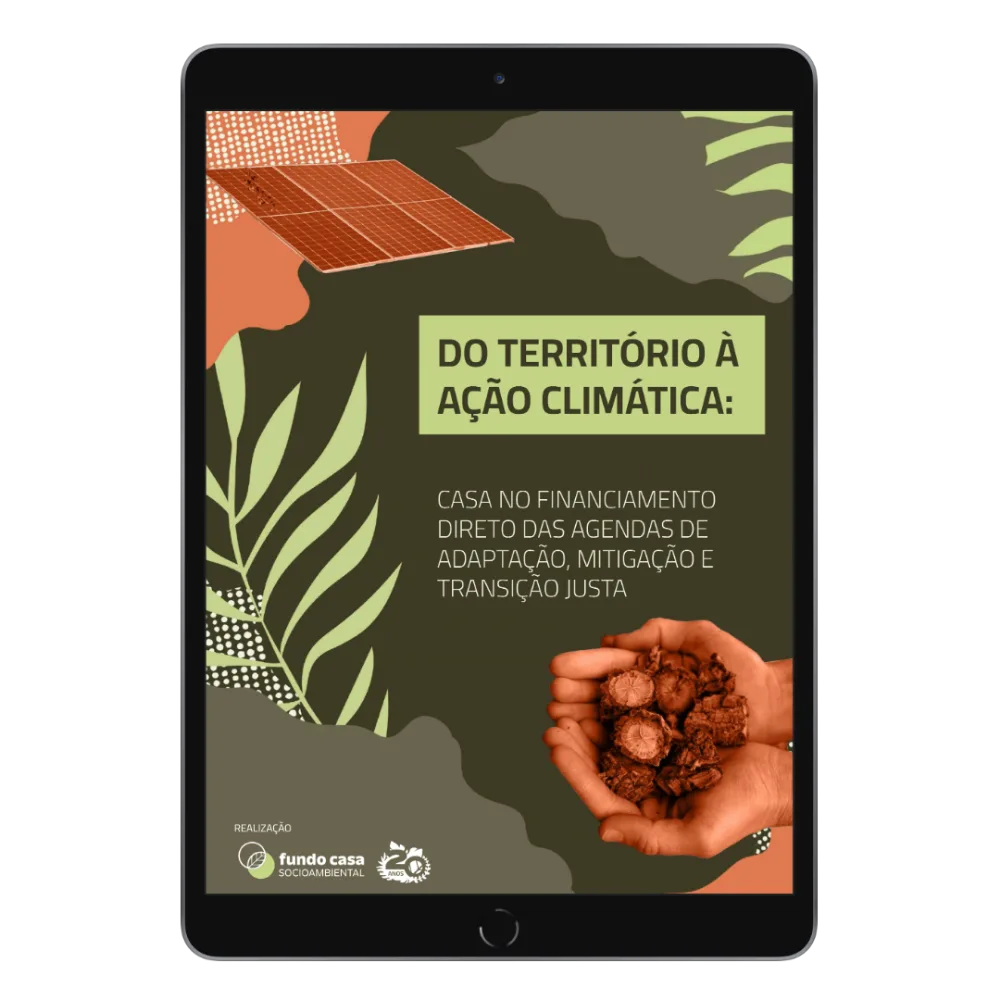
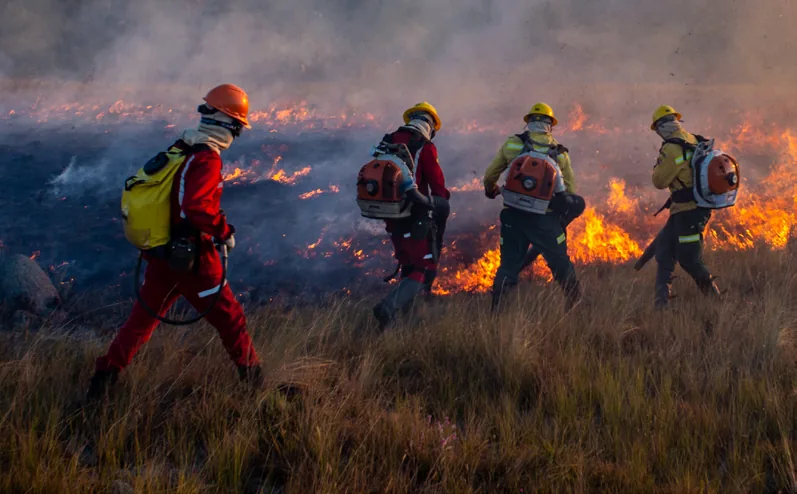
Between 2021 and 2026, the Casa Socio-Environmental Fund supported 283 projects by community fire brigades and organizations that work in prevention, Integrated Fire Management (IFM), and the protection of the territories.
The study presents who does this work, where it takes place, and what funding can strengthen.
Download nowWhat is this study about?
Between Fire and the Forest presents a strategic analysis of the Casa Fund’s portfolio of support for the Voluntary and Community Fire Brigades that prevent and combat wildfires.
The study maps the temporal, territorial, and thematic distribution of the supported projects and cross-references the data with the country’s official fire monitoring sources, such as the INPE (National Institute for Space Research) and MapBiomas. It also brings together responses from a survey administered to 161 supported organizations and case studies.
The publication shows how direct funding transforms community fire brigades into permanent infrastructure for prevention, adaptation, and territorial governance (93.8% of the brigades surveyed contributed to protecting springs, native forests, and biodiversity corridors), and discusses how this support connects to public policies such as the PNMIF (National Policy for Integrated Fire Management) and to the international climate and biodiversity agendas.
At the end, it brings together lessons learned and recommendations for the field of climate philanthropy.
Produced by the Casa Fund, the study is essential reading for funders, public managers in fire prevention and management, socio-environmental organizations, and opinion leaders.
Download now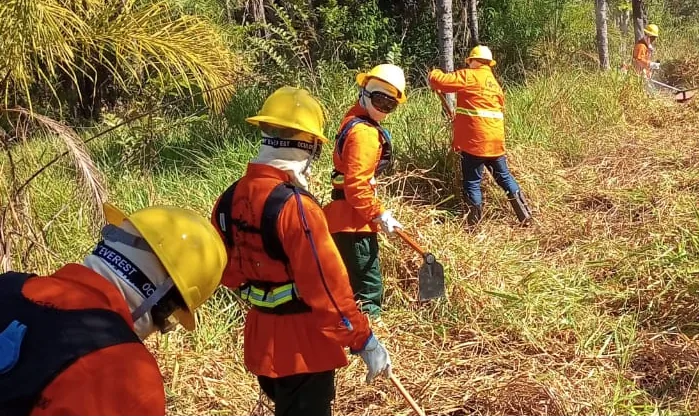


The study
in numbers
R$12.6 million
(approx. US$2.5 million) in direct grants to the Voluntary and Community Fire Brigades, between 2021 and 2026.
283 supported projects
in 19 states and in 5 of Brazil’s 6 biomes.
201 supported organizations
including 140 Voluntary and Community Fire Brigades.
39 Indigenous Lands
and 24 Conservation Units in the areas where the supported organizations operate.
42.8% of projects
are led by Indigenous associations.
82.6% of brigades
surveyed remain active after receiving support.
85.7% of organizations
report that the wildfire situation has improved since the brigade was strengthened.
What you’ll find
Six years of support, analyzed and organized to be read directly by funders, public managers, and organizations.
The portfolio at a glance
The trajectory of the projects supported between 2021 and 2026: who received the support, what they do, and where they are, in a national snapshot.
The context of fire in Brazil
The climate and territorial context that explains why prevention is a permanent strategy: rising temperatures, fire hotspots, and burned area, biome by biome.
The Voluntary and Community Fire Brigades take center stage
The role of these organizations as the front line of prevention and response, and as permanent structures for territorial protection. Scientific evidence confirms the effect of this presence: in Indigenous Lands with fire brigades, fire hotspots fell by 22.7%; in areas without brigades, they rose by 12.3% (Falleiro et al., 2025).
Public policies and the international agenda
How the brigades’ work connects to the National Policy for Integrated Fire Management (PNMIF) and to the global climate and biodiversity agendas (83.9% of the organizations maintain active partnerships with public agencies for fire prevention and combat).
Connecting local solutions
to global decisions
For more than two decades, the Casa Socio-Environmental Fund has provided direct funding to community organizations that care for territories in Brazil and South America. Its model puts communities at the center: funding reaches those who live in and know the territory in depth, quickly, directly, and simply.
From this logic comes the support strategy for the Voluntary and Community Fire Brigades, analyzed in this publication: six years of continuous investment in strengthening the capacities of these initiatives.

Sign up for the newsletter and follow our work:
Sign up for the Casa Fund’s free newsletter and receive news and calls for proposals every two weeks.
Fundo Casa’s social media channels: